Hartfield Jewellers · Parnell, Auckland
Chaumet Jewellery in New Zealand
Discover Chaumet at Hartfield Jewellers in Parnell, Auckland. Explore Bee de Chaumet, Joséphine and Liens, alongside engagement rings and wedding bands from the Parisian maison.
Browse our selection below or book a private appointment to view your favourite pieces. Please enquire to confirm availability.
THE MAISON
Founded in Paris in 1780, Chaumet is one of the oldest jewellery maisons in the world, deeply rooted in French heritage and Parisian elegance. From its earliest beginnings, the maison has been defined by refinement, precision, and artistic expression.
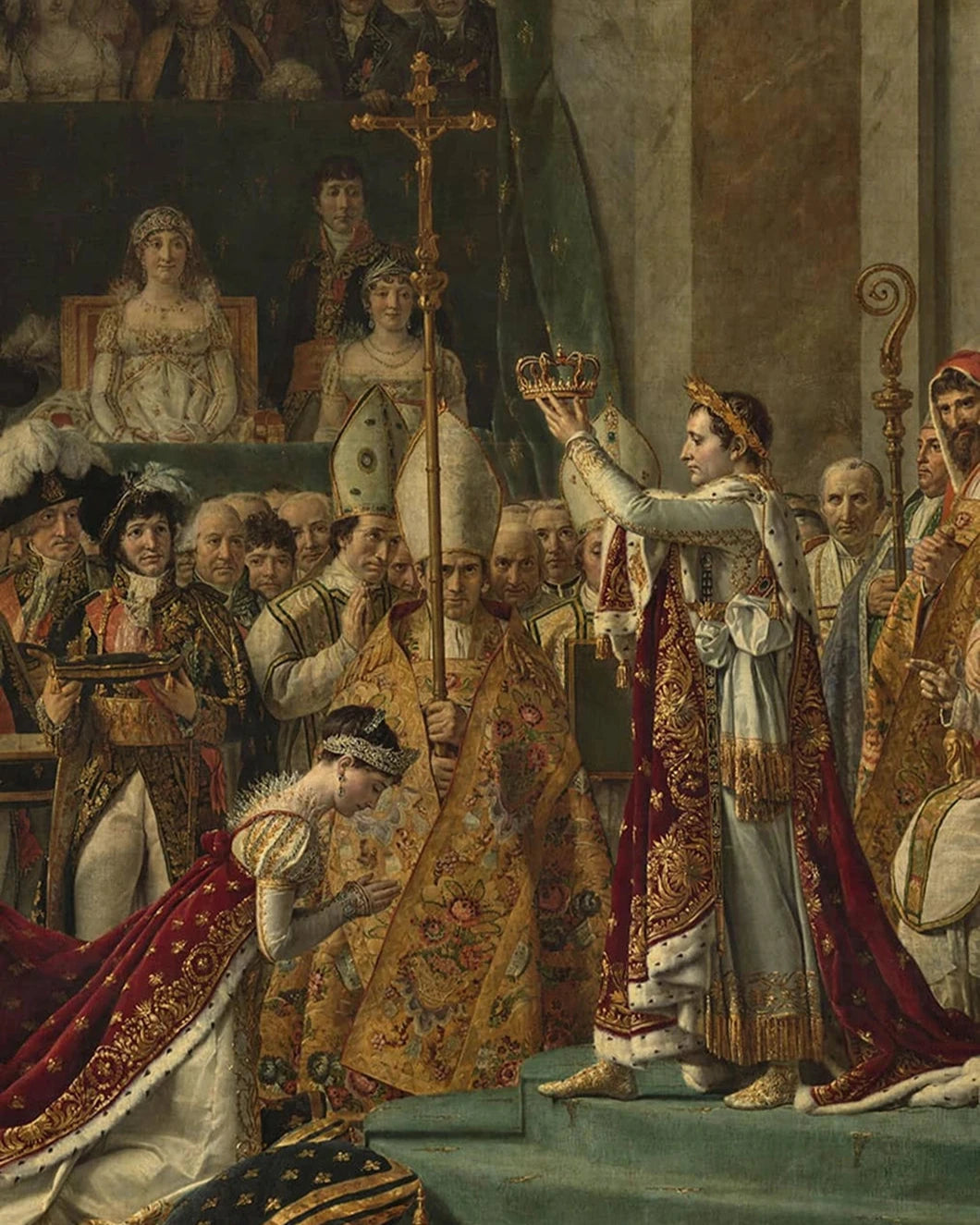
Chaumet rose to prominence as the official jeweller to Napoleon Bonaparte and Empress Joséphine. This imperial connection shaped the maison’s identity, introducing a language of symbolism, romance, and regal design that continues to influence its creations today. Jewellery during this era was not only ornamental, but deeply meaningful—representing love, power, and legacy.
Over time, Chaumet has continued to evolve through different artistic periods, from romantic naturalism to refined modernism, while preserving its signature Parisian savoir-faire. Today, the maison remains based at Place Vendôme, the historic heart of high jewellery in Paris, where tradition and innovation exist side by side.
Our Heritage
JEWELLER OF THE EMPIRE
1804 - 1815
Napoleon's taste for jewellery was predominantly political. He wanted to make France the centre for luxury and fashion design once again.
After completing the commission for Napoleon's coronation sword and the papal tiara for Pope Pius VII, Marie-Étienne Nitot became the jeweller to the Imperial court and personal jeweller to the Empress Joséphine. He also become the most sought-after jeweller in the whole of Europe.
In 1812, he was succeeded by his son, François-Regnault who moved the workshops. The Maison then became the first business to move into the Place Vendôme, at number 15, which is now the Ritz Paris.

THE BELLE ÉPOQUE, OPULENT AND DARING
1879 - 1914
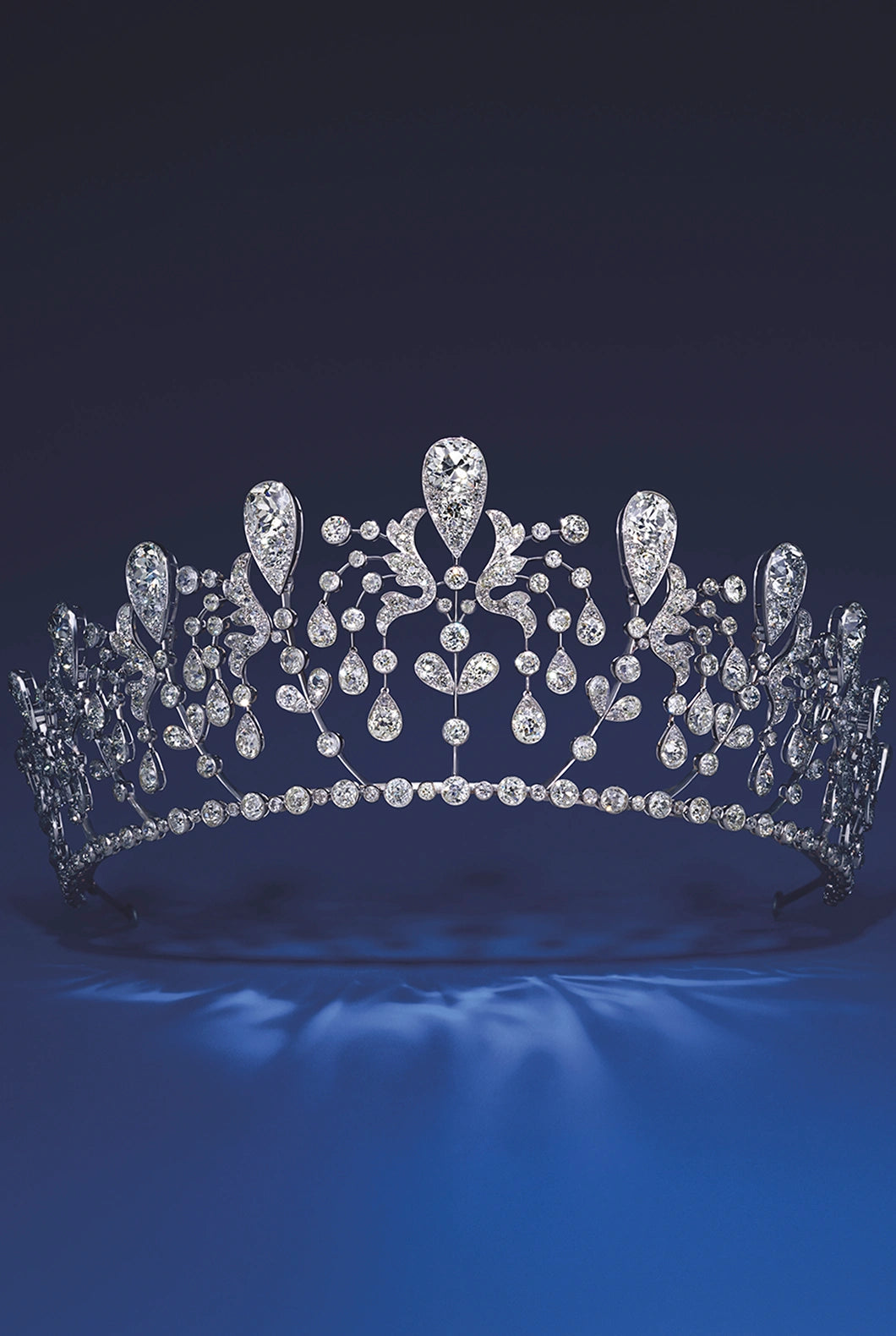
Joseph Chaumet, who gave the Maison his name, was its Director from 1885 to 1928. A visionary and undisputed master of the Belle Époque, he was inspired by the re-enchantment of nature. Through his creativity, aigrettes and tiaras, as social symbols and fashion accessories, became a Chaumet speciality.
In 1907, the Maison moved to 12, Place Vendôme, turning the Hotel Baudard de Sainte-James into Chaumet’s iconic address.

THE WORLDS OF CHAUMET
1890 - 1920
With developing transport links, Chaumet’s customers became more diverse.
Indian princes, including the Maharajahs of Baroda and Indore, developed a taste for European pleasures and placed lavish commissions. As avid jewellery collectors, they would bring their stones to Place Vendôme to have them set into light, flexible platinum settings.
The finest stones were often reserved for men, as was the case with the pair of pear diamonds that Chaumet supplied to the Maharajah of Indore in 1911.
THE ART OF STYLE
1950-1980
Maison Chaumet entered a new phase of artistic proposals. It used the advent of its collections to increase the variety of its styles and appeal to a much broader clientèle. It also diversified its business by creating a dedicated watchmaking department.
The Maison’s great designers and jewellers such as Pierre Sterlé and René Morin perpetuated the Chaumet style, while bringing a new modernity. In 1970, Chaumet rewrote the codes of jewellery and launched the Arcade, a new store concept.

THE MAISON’S SIGNATURE COLLECTIONS
1999 - 2010
The Maison was purchased by the LVMH Group in 1999.
In the wake of the iconic Liens collection, created in 1977, which celebrates the bond between two people, Chaumet created two new signature collections.
In 2010, Chaumet’s Joséphine collection pays tribute to the Empress Joséphine, the Maison's first major client and inspiration. Aesthetically, it was inspired by the tiara, a Chaumet speciality, and its creations crowned the femininity of those who wore them.

CHAUMET EXHIBITS WORLDWIDE
2017 - 2024
Chaumet exhibits worldwide, in exceptional settings such as the Forbidden City in Beijing in 2017, Tokyo's Mitsubishi Ichigokan museum in 2018 and even Monaco’s Grimaldi Forum in 2019. Focusing on the Maison’s various flagship themes, each exhibition presented over 300 pieces of jewellery and artworks reflecting Chaumet’s heritage, on loan from major museums and private collectors.
Illustrating this craft of jewellery specific to Chaumet, these exhibition events explore the Maison’s centuries-old heritage, its history, its creations of yesterday and today, drawing the outlines of a style, in a constant dialogue with main artistic trends.

BEYOND JEWELLERY
Since our foundation nearly 250 years ago, nature and mankind have been at the heart of Chaumet’s vision: transmission as an ambition.
Anchored in our time, aware of the challenges of tomorrow, our Maison has multiplied its commitments over the years, pushing its social and environmental responsibility ever further.
Ambitious and resolute, our approach shows the extent to which Chaumet creations are far more than just pieces of jewellery. To what extent, too, human beings and nature influence our projects and creations.
ENVIRONMENT
As a « Naturalist Jeweller » since its beginnings, Chaumet cannot stand by and watch the disappearance of flora and fauna essential to life and to the creativity of tomorrow. Aware of the role we have to play, our Maison is actively implementing concrete actions to preserve natural resources, and support all those who depend on them.
CULTURAL LEGACY
Since 1780, Chaumet has been passionately creating exceptional jewellery, with each piece recorded in our archives. Enriched by this cultural and artistic heritage, our Maison is committed to cultural responsibility.
Through transmission, exhibition and conservation, we pursue ambitious patronage initiatives, open our doors for special events to share our exceptional craftmanship, and protect our archives and creations for future generations.
PEOPLE
While it all began in 1780 with the Nitot family, over time dozens, then hundreds of passionate people have joined our Maison. At Chaumet, we are just as proud of our heritage as we are of the people who carry us forward every day. To guarantee their well-being, we take concrete actions to promote equality and inclusion, and we celebrate cultural diversity.